
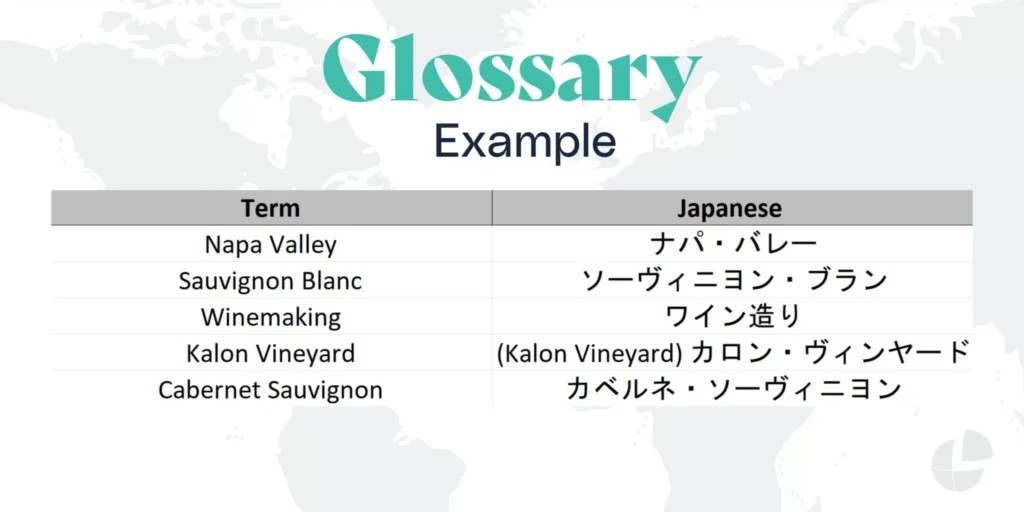
A Translation Glossary is a critical tool for ensuring consistent, high-quality translations across languages. It helps teams align on key terms, speeds up workflows, and minimizes costly revisions, especially in technical or regulated industries.
In the world of multilingual content, consistency is everything. Whether you’re translating technical manuals, marketing campaigns, or customer support materials, using the right terminology consistently and correctly can make or break the user experience. That’s where Translation Glossaries come in.
A well-developed glossary isn’t just a helpful reference; it’s a strategic asset that improves translation quality, speeds up workflows, and ensures your brand speaks with one voice across every language. In this post, we’ll explore why glossary development is essential, how it works, and how to avoid common pitfalls.
What Is a Translation Glossary?
A translation glossary is a centralized, curated list of key terms and their approved translations across different languages. It typically includes product names, technical terms, acronyms, and brand-specific language, along with definitions, usage notes, and contextual examples. While a style guide governs tone, voice, and formatting preferences, a glossary is focused specifically on terminology accuracy and consistency, ensuring that critical terms are translated the same way every time, regardless of who is doing the work.
Glossaries are especially vital in industries like healthcare, legal, manufacturing, and software, where even a slight variation in terminology can lead to confusion, misinterpretation, or compliance risks. For example, an inconsistent translation of a medical term could compromise patient safety, while a misused legal term might affect the validity of a contract.
One of the most powerful aspects of modern glossary management is its integration with CAT (Computer-Assisted Translation) tools such as Trados, MemoQ, or Phrase. These tools allow glossaries to be embedded directly into the translator’s working environment. As the translator works, the CAT tool automatically highlights glossary terms in the source text and suggests the approved translation, helping to enforce consistency in real time. This not only improves translation quality but also reduces the cognitive load on linguists, speeds up the translation process, and minimizes the need for post-editing.
By integrating glossaries with CAT tools, organizations can ensure that terminology is applied consistently across all projects, languages, and vendors, creating a more scalable, efficient, and quality-driven localization workflow.
How Do Glossaries Impact Translation Quality?
Glossaries directly influence translation quality by reducing ambiguity and ensuring that critical terms are used consistently across all content types and languages. Without a glossary, translators may interpret terms differently, leading to inconsistent terminology, especially when multiple linguists or vendors are involved.
This inconsistency can confuse end users, dilute your brand voice, and increase the time and cost of revisions. A glossary acts as a single source of truth, helping translators make accurate, confident choices from the start.
Who Should Approve Glossary Terms?
One of the most common challenges in glossary development is conflict between Subject Matter Experts (SMEs) and linguists. SMEs may prefer terms that reflect industry usage, while linguists focus on grammatical accuracy and cultural appropriateness.
The best approach is collaborative approval. Glossary terms should be proposed by translators or localization teams, but reviewed and approved by SMEs, marketing teams, and in-country reviewers. This ensures that terms are not only linguistically sound but also aligned with your brand, industry standards, and local market expectations.
How Often Should Glossaries Be Updated?
Glossaries are not static; they should evolve as your business grows. New products, services, and campaigns often introduce new terminology, and outdated terms can quickly become irrelevant or misleading.
To stay current, glossaries should be reviewed and updated regularly, ideally on a quarterly or biannual basis. Updates should also be triggered by major product launches, rebranding efforts, or feedback from translators and reviewers. A collaborative update process ensures that all stakeholders stay aligned and that the glossary remains a reliable resource.
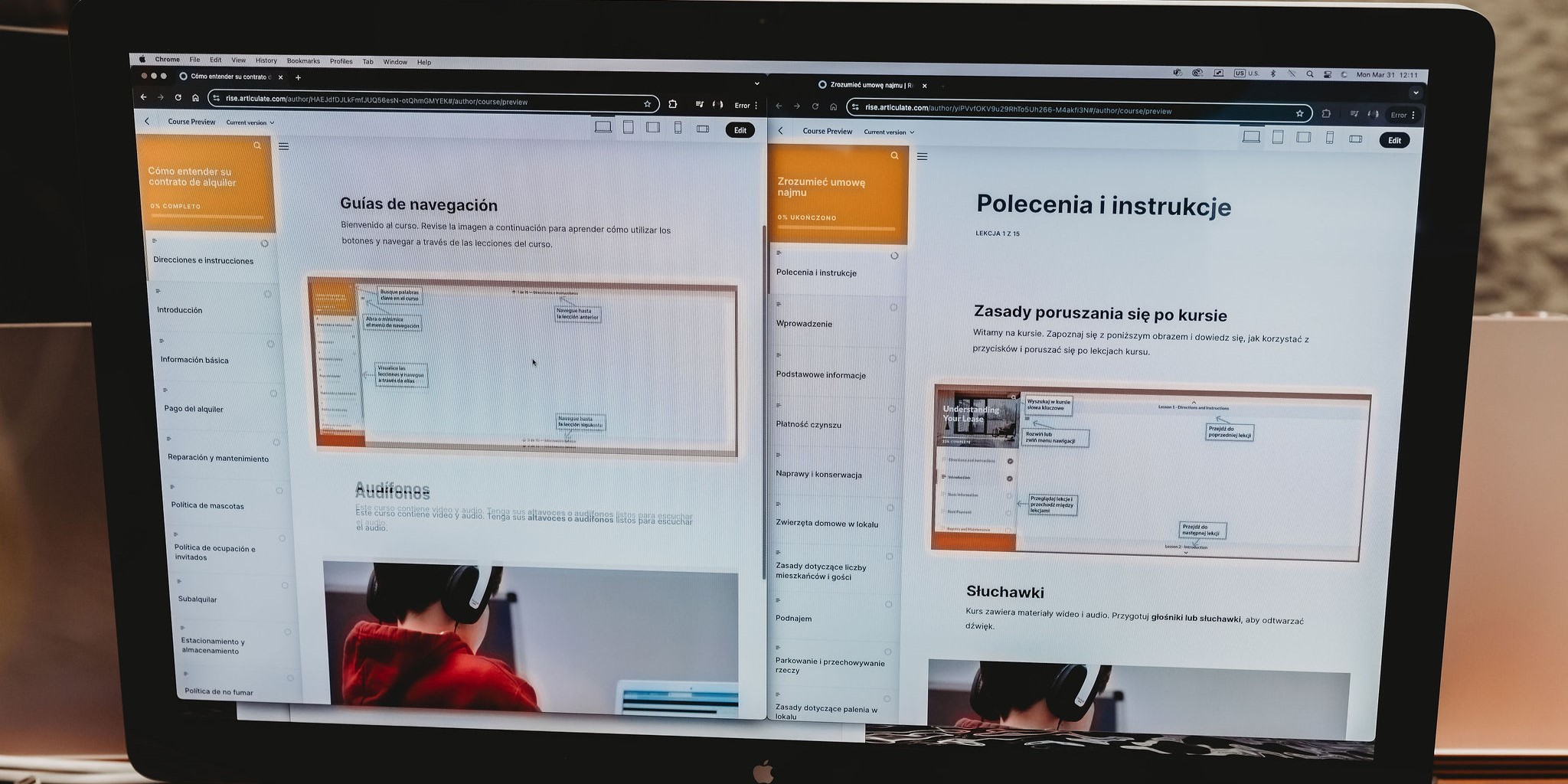
A behind-the-scenes look at an Interpro team member creating a multilingual glossary, illustrating the meticulous process of standardizing terminology to ensure translation consistency and accuracy across projects.
Can Glossaries Reduce Project Turnaround Time?
Absolutely. One of the biggest pain points in translation workflows is slower turnaround times due to a lack of reference materials. When translators have to stop and research terms or wait for clarification from clients, projects get delayed.
A well-maintained glossary eliminates this friction. Translators can work faster and more confidently, reviewers spend less time correcting terminology, and project managers can avoid unnecessary back-and-forth. The result is a faster, more efficient translation cycle with fewer revisions and lower costs.
Best Practices for Glossary Development
To get the most value from your glossary, follow these proven best practices:
- Create glossaries before starting major translation projects to ensure consistency from the outset.
- Align terms with industry standards and in-country teams to ensure accuracy and cultural relevance.
- Regularly review and update terminology collaboratively to keep your glossary current and effective.
Final Thoughts
Glossary development is not just a technical step in the translation process; it’s a strategic investment in your brand’s global success. Without a glossary, organizations often face inconsistent terminology, slower translation cycles, and misalignment between subject matter experts and linguists. These issues can lead to confusion, rework, and a fragmented user experience across languages.
But with a well-crafted glossary in place, you gain more than just consistency. You empower your translators to work more efficiently, reduce review time, and ensure that your messaging is clear, accurate, and aligned with your brand—no matter the language or market.
At Interpro Translation Solutions, we understand the critical role glossaries play in multilingual communication. That’s why we work closely with your internal teams and in-country experts to create and maintain glossaries that are not only linguistically accurate but also culturally and contextually relevant. Our collaborative approach ensures that your terminology reflects your industry standards, resonates with your target audiences, and evolves alongside your business.
Whether you’re launching a new product, entering a new market, or scaling your global content strategy, Interpro is here to help you build a glossary that boosts both consistency and efficiency, and ultimately, your global impact.
Explore Services
Consulting • Translation • eLearning • Video & Multimedia • Document

Don't forget to share this post!




Stay Updated with Interpro
Subscribe to our newsletter for the latest updates and insights in translation and localization.